


House of Guinness Ireland: A Historic Travel Guide to Victorian Dublin

Updated: Oct 20, 2025

If you've been captivated by Netflix's House of Guinness, you're not alone in wanting to walk the cobblestones of Victorian Dublin. You can trace the footsteps of Ireland's most famous brewing dynasty. This travel guide will help you explore the real locations from the show, understand what's been lost to history, and capture the spirit of 19th-century Ireland on your next trip.
Exploring the "House of Guinness" Historic Sites You Can Visit Today
The Guinness Storehouse at St. James's Gate

No pilgrimage to Guinness history is complete without visiting the Guinness Storehouse, located at the original St. James's Gate Brewery. This seven-story museum occupies the old fermentation plant and tells the story of Arthur Guinness and his descendants.
What to see: You can view the original 9,000-year lease signed by Arthur Guinness in 1759, brewing equipment from different eras, and the Gravity Bar with panoramic views of Dublin. The archives contain fascinating documents about the family's business empire and philanthropic work.
Pro tip: Book tickets online in advance. Visit early in the morning or late in the afternoon to avoid crowds.
Iveagh House (80 St. Stephen's Green)

Once the townhouse of the Earl of Iveagh (Edward Guinness, 1st Earl of Iveagh), this stunning Georgian mansion showcases the family's wealth and taste. Built in the 1730s and later expanded, it was donated to the Irish state in 1939.
Today's access: Now home to the Department of Foreign Affairs, Iveagh House offers limited public tours during Culture Night and Heritage Week. The elaborate plasterwork, grand staircase, and ballroom are breathtaking.
St. Patrick's Cathedral

The Guinness family had deep ties to St. Patrick's Cathedral, funding extensive renovations in the 1860s. Benjamin Lee Guinness financed the cathedral's restoration, saving it from ruin.
What to see: Look for the Guinness family memorials and plaques acknowledging their contributions. The cathedral's Victorian Gothic restoration reflects the aesthetic sensibilities of the era depicted in the show.
Farmleigh House

This Victorian mansion in Phoenix Park was purchased by Edward Guinness in 1873 and remained in the family until 1999. The estate perfectly captures the grandeur of Guinness family life.
Experience: Now a state guesthouse, Farmleigh offers public tours showcasing original furnishings, the Guinness family's art collection, and beautifully preserved Victorian interiors. The estate also hosts cultural events and markets.
Trinity College Dublin
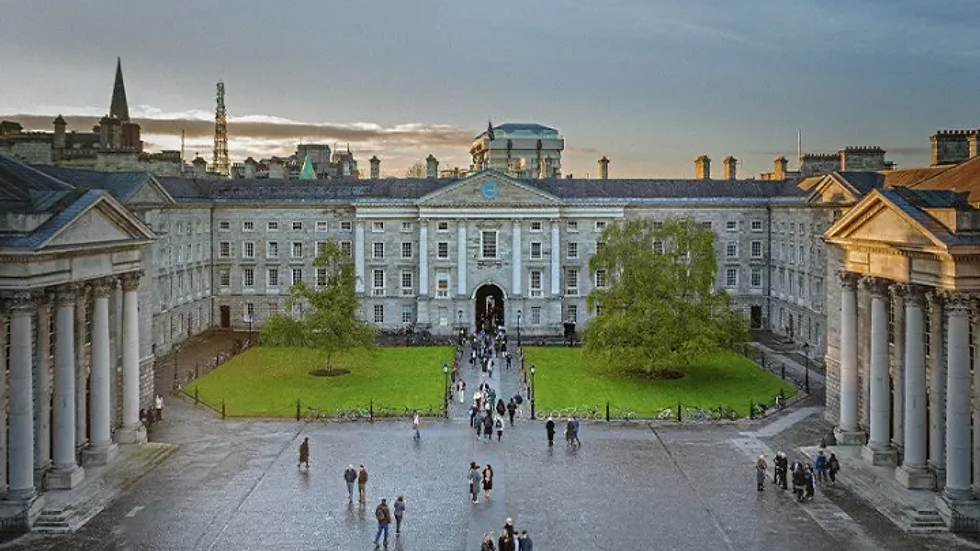
Many Guinness family members studied at Trinity College, and the family made substantial donations to the university. Walking through Trinity's cobblestoned squares evokes the privileged world of Victorian Dublin's elite.
Don't miss: The Long Room of the Old Library houses 200,000 of the library's oldest books in a stunning barrel-vaulted hall that looks like it's straight out of the show.
Lost to History: The Imperial Hotel and Other Vanished Landmarks from the House of Guinness
The Imperial Hotel (O'Connell Street)

One of Dublin's grandest Victorian hotels, the Imperial Hotel was a social hub for Dublin's elite, including the Guinness family. Sadly, it was destroyed during the 1916 Easter Rising and the subsequent Irish Civil War bombardment.
Finding the spirit: Today, Clerys department store stands on the site. Visit the nearby GPO (General Post Office) Museum to understand the tumultuous events that destroyed many of Victorian Dublin's landmarks.
Henrietta Street Georgian Mansions
Once home to Dublin's aristocracy, these grand townhouses have largely been demolished or fallen into disrepair. A few survive as tenements-turned-museums.
Visit: The Henrietta Street Museum (Number 14) offers tours showing both Georgian grandeur and later tenement life, illustrating the stark class divisions of the era.
The Original Theatre Royal
The Theatre Royal on Hawkins Street, where the Guinness family would have attended performances, was demolished in 1962. The social scene depicted in House of Guinness often centered on such venues.
Alternative: Visit the Gaiety Theatre (still operating since 1871) or the Abbey Theatre to experience Dublin's theatrical tradition in historic settings.
Capturing the Spirit of Victorian and Edwardian Ireland Seen in House of Guinness
Walk the Georgian Districts

Merrion Square and Fitzwilliam Square remain largely intact from the Georgian and Victorian eras. Their colorful doors, wrought-iron railings, and uniform brick facades transport you back in time.
Photography tip: Early morning light creates atmospheric shadows on these historic streets, perfect for capturing that period feel.
Visit Glasnevin Cemetery

The Glasnevin Cemetery, founded in 1832, is where many prominent Victorians and Guinness family members are buried. The elaborate Celtic Revival monuments and Victorian funerary architecture tell stories of the era.
Guided tours available daily bring the personalities and history to life.
Experience Victorian Pubs

Dublin's Victorian-era pubs preserve the atmosphere of 19th-century Ireland:
The Long Hall (South Great George's Street): Original Victorian bar with ornate mirrors and chandeliers
Kehoe's (South Anne Street): Unchanged since the 1890s
The Palace Bar (Fleet Street): Victorian journalists' haunt with period details
Order a pint of Guinness and imagine the conversations that would have taken place in these rooms during the show's timeframe.
Planning Your House of Guinness-Inspired Trip
Best Time to Visit
Spring (April-May) and early autumn (September-October) offer mild weather, fewer crowds, and atmospheric lighting perfect for photography. The misty Irish weather actually enhances the Victorian ambiance.
Recommended Itinerary: 3-Day Victorian Dublin Experience
Day 1: Guinness Heritage
Morning: Guinness Storehouse
Afternoon: St. Patrick's Cathedral and surrounding Liberties area
Evening: Victorian pub crawl
Day 2: Georgian Grandeur
Morning: Farmleigh House tour
Afternoon: Walk Merrion and Fitzwilliam Squares
Evening: Performance at the Gaiety Theatre
Day 3: Lost and Found History
Morning: Trinity College and Long Room Library
Afternoon: Glasnevin Cemetery tour
Evening: National Museum of Decorative Arts
Getting Around
Central Dublin is highly walkable, which is ideal for soaking in the historic atmosphere. The Luas (tram) and Dublin Bus connect to sites like Farmleigh House and Glasnevin Cemetery.
Beyond Dublin: The Wider House of Guinness World

Ashford Castle, County Mayo
While not a Guinness family property, this luxury castle hotel is featured in the show and represents the grand Irish estates that were contemporaries of the Guinness empire. The family would have been familiar with such aristocratic settings.
Powerscourt Estate, County Wicklow
Just outside Dublin, this magnificent estate with Italian gardens showcases the Victorian love of landscaping and architecture. It's where Dublin's elite would have socialized.
Killarney and the Ring of Kerry
For a sense of the Irish landscape that formed the backdrop to the Guinness story, venture to County Kerry. The dramatic scenery provides context for understanding 19th-century Ireland beyond Dublin's elite circles.
Practical Tips for History Travelers
Book in advance: Popular sites like the Guinness Storehouse and Farmleigh House tours fill up quickly, especially during summer.
Take guided tours: Knowledgeable guides provide context and stories that bring Victorian Dublin to life in ways self-guided visits cannot.
Visit local archives: The Dublin City Library and Archive offers free access to historical photographs and documents about Victorian Dublin.
Read contemporary accounts: Pick up books by or about Oscar Wilde, W.B. Yeats, or historical accounts of the brewing industry to deepen your understanding.
Respect that these were real people: While House of Guinness dramatizes history, remember the real Guinness family members were complex individuals whose legacy includes both industrial success and significant philanthropy.
Conclusion: Walking Through History
Visiting the Ireland of House of Guinness offers more than just location spotting—it's a journey through a transformative period in Irish history. While some landmarks like the Imperial Hotel exist only in photographs and memories, enough of Victorian and Edwardian Dublin survives to let you genuinely feel transported back to an era of industrial ambition, social transformation, and the building of an empire on stout and porter.
Whether you're raising a pint at the Gravity Bar, walking through Farmleigh's preserved rooms, or simply strolling the Georgian squares at dusk, Dublin invites you to experience the grandeur, complexity, and enduring legacy of the age that House of Guinness brings to life.
Ready to book your trip? Start with the Guinness Storehouse website and Dublin Tourism for updated opening hours, special events, and combination ticket deals that can save you money on multiple historic sites.
Have you visited any House of Guinness filming locations or historic sites? Share your experiences in the comments below!


Comments